Mehendi Ceremony Setups on Garden Lawns for 500+ Guest Weddings
Mehendi is the friendliest function on the wedding calendar. It's also the one most likely to break under its own logistics. Here's how a garden-lawn setup actually holds up for 500 guests.
Most wedding planners will tell you mehendi is the easy function. Daytime, casual, no sit-down meal, no formal programming. The implication is that it more or less plans itself.
It doesn't. A 500-guest mehendi on a garden lawn has more moving parts than a 500-guest banquet dinner, and more ways for the experience to deteriorate quietly. The bride has to sit still for two to three hours while her mehendi artist works, which means the entire function is anchored to one spot. The guests are arriving and leaving across a 4-hour window. The food has to hold heat in the sun. The mehendi artists need a clean, shaded, organised station. And the music has to be loud enough to feel like a celebration without drowning out the conversations happening at the tables.
Here's what we've learned about running a mehendi on a garden lawn at scale, from the function that gets the least planning attention and rewards it the most.
The sun-and-shade problem
A garden lawn during daytime is one of the few wedding spaces where the weather literally changes the function design. You can't ignore the sun.
The two zones that need shade are non-negotiable: the bride's mehendi station and the guest seating area. The artist needs even, diffused light (direct sun bleaches the colour reading and makes the design hard to see) and the bride sits in the same spot for 90 minutes, which is unworkable in direct sun even in winter.
A lawn that handles mehendi well has either large permanent shade (mature trees, a pavilion canopy) or an installed shamiana with a structural ceiling that doesn't sag, doesn't ripple in the breeze, and lets enough diffused light through to keep the visual register warm rather than grey.
The food zone wants partial shade. Buffet food deteriorates fast in direct sun; the cold counter especially. Plan a covered or umbrella'd setup for anything that needs to stay below room temperature.
The dance area can be in sun or shade depending on the time of year. In winter (November to February), sun is fine. April through October, plan for shade or a delayed start so the dancing happens after 4pm.
The mehendi artist station
This is the part most planners under-engineer.
For 500 guests, you need 12 to 15 mehendi artists working in parallel. Less than that and your queues run to 90 minutes, which kills the function's energy. More than that and you're paying for idle artists at the tail end.
Each artist needs:
- A chair for themselves and one for the guest
- A small side table for cones, tissues, and stencils
- Direct sight of the bride's central station, for design coordination
- A two-foot working radius around them, free of foot traffic
That works out to roughly 80 square feet per artist station, plus a 4-foot service apron in front for queuing. For 15 artists, you're looking at a 1,500 sq ft block of the lawn dedicated to the artist setup. Plan for it; don't try to fit it around the rest of the layout.
The bride's central station is separate. It's larger (typically a low platform with cushions and a backdrop), elevated for photos, and lit specifically for video. Most planners overdo the backdrop and underdo the lighting. The backdrop just needs to be a clean visual; the lighting determines whether the bride looks well-lit in every video the family is going to watch back later.
Queue management
The queue is the part guests remember. A 90-minute wait for a small floral motif on the back of a hand turns the function into a chore.
Two strategies that work:
The numbered token system. Guests pick a token on arrival and are called in batches of 10 to 15. Frees them to eat, drink, and socialise without standing in line. Works for groups up to about 400. Beyond that, the audit trail breaks down.
The pre-designated artist system. Each family group is assigned an artist on the invitation card or the welcome message, with a 30-minute time slot. Higher operational lift but eliminates queues entirely. Works best for 500-plus where you have 15 artists and can match them to family clusters.
We've seen a third option, the open-floor system where guests just find an available artist themselves, work at smaller events (under 200) but completely break down at 500-plus.
Music and the dholki problem
The traditional mehendi music format is a live dholki — a small percussion group, sometimes with a singer, playing folk songs and bridal numbers. It's the right energy for the function. But it has range limits; a dholki tops out around 80 to 100 guests before the sound stops reaching the back.
For 500 guests, you have three options:
- Dholki with PA system. The dholki plays into a discrete microphone setup, amplified through speakers around the lawn. Keeps the cultural register but extends the reach.
- Live dholki for the first 90 minutes, then a DJ. The dholki opens the function with the bride's arrival and the first round of guests. The DJ takes over as the dance floor opens around 2pm.
- Recorded dholki playlist on a soft PA, with live performers at intervals. A few dholki musicians perform live at scheduled moments (bride's entry, sangeet preview, key family member's arrival) but the ambient music is recorded. Most polished option for very large mehendis.
For pure ambience, we recommend option 1 for mehendis under 300 and option 2 for mehendis above. Option 3 is for the higher-production weddings where the rest of the schedule needs the dholki experience without the operational coverage.
A run-of-show for a 500-guest garden mehendi
This is the version that works most consistently for winter mehendis at Gardenia. Shift one hour later for summer.
- 11:00am — setup complete, mehendi artists in position, bride begins her own mehendi at the central station
- 12:00pm — first guests arrive, welcome drinks
- 12:30pm — token queues open, food zone opens, dholki begins
- 1:30pm — family group photo at the central station
- 2:00pm — dance floor opens, DJ takeover if planned
- 2:30pm — dessert and chai counter opens
- 3:00pm — peak (most guests on-property)
- 4:30pm — bride's mehendi complete, separate photo session
- 5:00pm — function wind-down, guests start leaving
- 5:30pm — close
The whole function runs 5 hours from the first guest, with about a 3-hour peak in the middle.
The Gardenia garden lawn setup
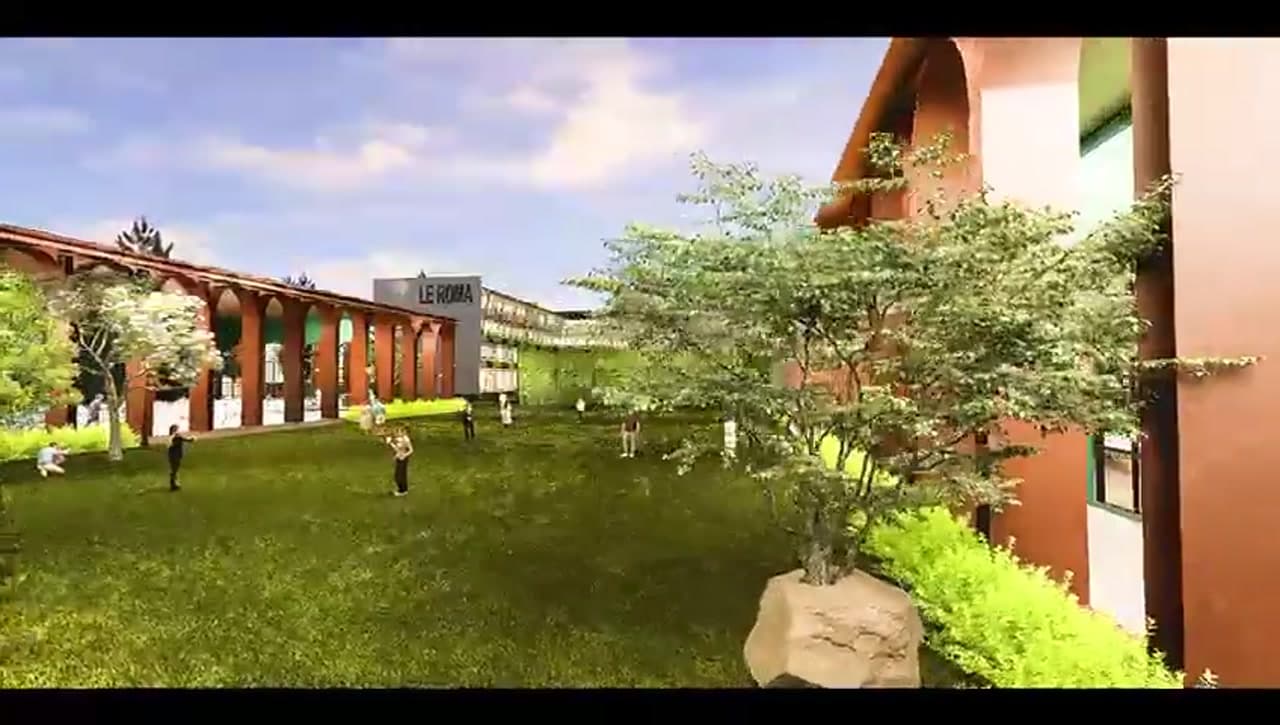
Our 30,000 sq ft Grand Lawn is sized for mehendi and similar daytime functions at 500 guests, with full structural shade from a installed shamiana and natural shade from the perimeter trees. The 9,000 sq ft Banquet Hall sits adjacent, which is useful as a back-up if rain forecasts shift on the morning of the function.
The artist station block runs along the shaded east side, with the bride's central platform under the main shamiana, the food zone covered along the north edge, and the dance floor open in the centre. The layout handles 15 artists comfortably and scales to 18 if needed for a 600-plus headcount.
For larger weddings where the mehendi is part of a multi-day programme, we usually run the mehendi on the lawns and pair it with an evening sangeet under the sky lounge or in the banquet. The two functions feed each other; guests arriving for mehendi often stay through to the sangeet, which compresses the wedding logistics significantly.
Plan your celebration
Talk to our events team about availability and packages.
Three things that quietly matter
A few details that don't get talked about much but make the difference between a function that runs and one that drags.
Mosquito control. A lawn in the late afternoon needs a quiet fogging treatment in the morning and citronella torches at the perimeter from 4pm. Skip this and the back tables empty out as the evening cools.
Ventilated washrooms within 50 feet of the lawn. For 500 guests across a 5-hour function, the bathroom logistics are a real thing. A lawn that needs guests to walk 200 feet to the indoor washrooms has a serviceability problem.
Backup power for the artist station lighting. As the function runs into late afternoon and the natural light shifts, the artists need consistent task lighting. A 30-second power flicker that disrupts a half-finished design is the kind of small failure that the wedding family remembers.
For deeper context on planning weddings at this scale, see our large-scale wedding venue checklist. The mehendi is just one of four to six functions in the wedding; planning each one with the same operational rigour is what separates a smooth wedding from a tiring one.